
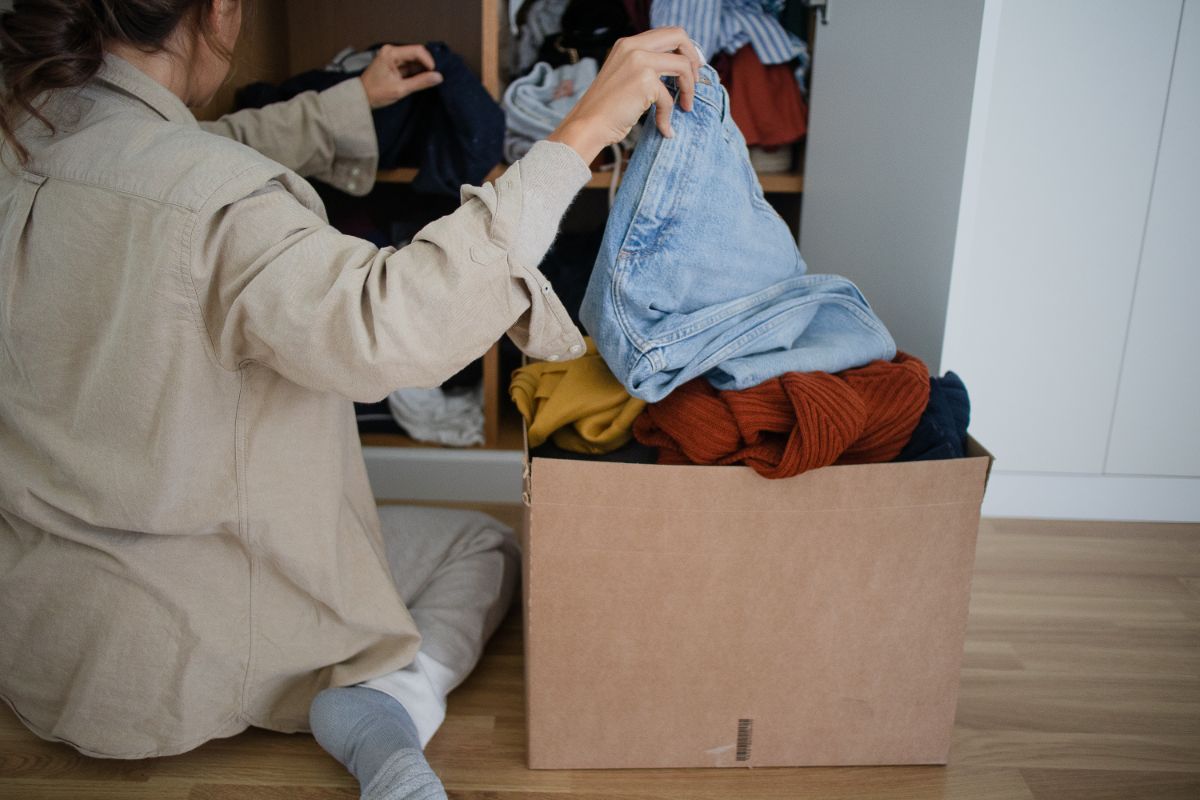
There is nothing quite like a house move to make you question why you own so many things. The extra mugs seemed useful at the time, the dress might still get an outing and that bag of cables almost certainly belongs to something. Once you have to wrap, carry and find space for it all again, the decisions feel a bit more pressing.
Learning how to organise and declutter before a move can save you from unpacking the same unwanted belongings in a different postcode. It also gives you a chance to think about how you want the new home to work. You don’t have to become a minimalist or clear every surface. The aim is to make deliberate choices while you still have time to deal with what you no longer need.
Start With the Space You Are Moving Into
Before tackling the cupboards, look at the new home’s layout and available storage. A generous wardrobe in your current bedroom doesn’t guarantee the same hanging space at the other end. Check measurements where possible, including room for furniture doors and drawers to open.
Think about how you will use each room, rather than automatically recreating the old arrangement. An unused dressing table might not earn its place in a smaller bedroom, while a comfortable chair you use daily could be worth making room for. Make a short list of larger pieces that definitely fit and those that need another look.
Keep this practical rather than turning it into an excuse to buy a whole new set of furniture. Knowing what you already have is the first job. Shopping can wait until you understand what the new space genuinely needs.
Give Each Sorting Session a Clear Finish
Emptying an entire room can feel productive for about ten minutes, then you realise you have made the bed, floor and doorway unusable. Pick an area you can finish in the time you have, such as a bedside drawer, one shelf or a section of hanging clothes.
Have separate places for things you are keeping, selling, donating and disposing of appropriately. Add a small repair pile only if you are likely to deal with it before the move. A bag labelled “sort later” can become an expensive way of avoiding a decision.
Finish each session by returning the keepers to a tidy space or packing them if they are no longer needed. Move the other items to their agreed places and write down the next action. That might be photographing a lamp for sale or checking when a charity shop can accept donations.
Review Your Wardrobe for the Life You Live Now
Clothes can be some of the hardest things to sort because so many come with a reason to keep them. You spent a lot, someone bought it for you or you once felt brilliant wearing it. Those reasons are understandable, but they don’t always tell you whether the item still belongs in your everyday wardrobe.
Try on anything you are unsure about and notice how it feels. Does it fit comfortably? Can you picture wearing it with things you already own? If it needs altering, decide whether you will arrange that rather than moving it straight into another forgotten pile.
You can keep special pieces without holding on to every outfit from a past chapter. For a more focused approach, our guide to building a capsule wardrobe in your 40s explores choosing clothes around your real routine. You don’t need to follow a set item count to make the rail easier to use.
Keep a few outfits available for moving week, including comfortable clothes, shoes and anything you need for work. Once those are separate, you can pack out-of-season clothing without accidentally sealing away the only trousers you wanted to wear tomorrow.
Check Beauty Products and Bathroom Drawers
Beauty cupboards are good at hiding duplicates, nearly empty bottles, products you stopped using months ago, and things that have gone well past their best. Gather similar items together so you can see what is there. You might discover that the missing hand cream has several replacements already waiting.
Check the product labels for dates and guidance on use after opening, and let go of things that are no longer suitable to use. Keep cleaning products separate from cosmetics and follow local guidance for disposing of products and packaging. Don’t pour unwanted contents down the drain just to empty the bottles.
Pack the products you are keeping with lids secured and suitable protection against leaks. Choose a small wash bag for your daily routine so you won’t need to open several boxes on the first morning. It’s also a useful way to see which products you reach for most often.
Set a Deadline for Selling and Donating
Deciding to sell something is only the beginning. You still need photographs, a description, messages and a collection or postage plan. Be realistic about whether the likely return is worth the time, especially when you already have a move to organise.
Set a cut-off date for listings and decide what will happen if an item hasn’t sold. Check what donation centres accept before turning up, and arrange collections for larger pieces where available. Leave enough time for another option if someone cancels.
Keep sentimental decisions separate from the easy clear-out jobs. A small collection of meaningful things may deserve a proper place in your new home. You don’t need to make rushed choices about family photographs while also trying to answer a buyer asking for the dimensions of a bookcase.
Update Your Moving List After the Clear-Out
Once you know what is staying, revise the list of furniture and boxes for transport. If you have already requested a quote, tell the company about any significant changes. Fewer belongings may change what the job involves, but ask for an updated quote rather than assuming a particular saving.
If you are arranging a move in or around Stratford, give movers stratford a clear description of the belongings you have chosen to take. Include anything awkward to handle and any access details at the collection and delivery properties. Your sorted inventory is useful information, rather than another list to write from scratch.
When comparing removal men in London, confirm which services you need, such as packing help or furniture dismantling, and keep the agreed arrangements in writing. Don’t assume unwanted items can simply be taken away with the move. Arrange their next destination separately unless a suitable service has been explicitly agreed.
Pack the Keepers by Where They Will Belong
After sorting, pack items for their destination in the new home. A box labelled for the room it came from may be less helpful if you are changing the layout. Add a brief contents description so you can distinguish bedding from accessories without opening every carton.
Keep loose parts with the item they belong to, and photograph arrangements you will need to recreate. Protect delicate jewellery and accessories separately rather than dropping them into a box of clothes. Important documents and valuable personal belongings should stay with you.
Finally, resist buying lots of organisers before you unpack. Give your existing belongings a place first, then see where a divider, basket or rail would help. The reward for sorting before a move is being able to find and use what you kept, rather than spending the first weekend hiding the same old clutter in brand-new boxes.
*This is a collaborative post

