
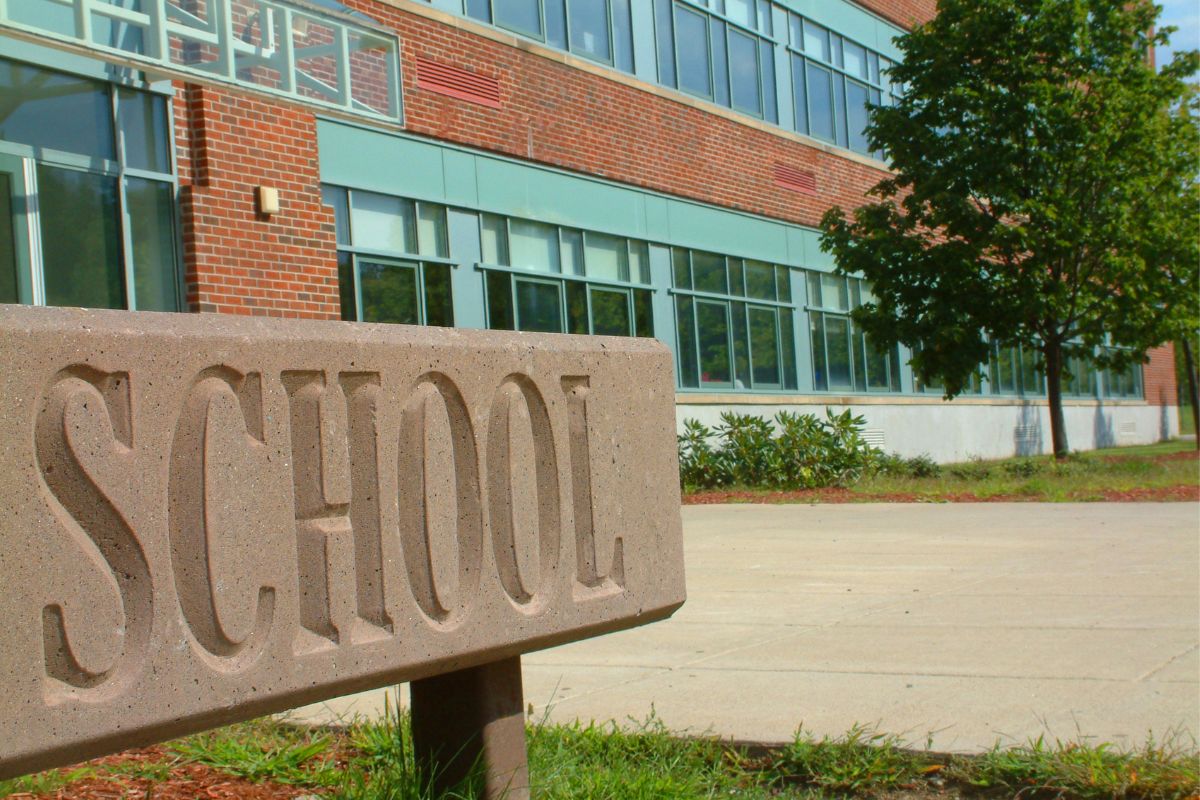
Choosing the right school for your child is one of the most important decisions you’ll make as a parent. The right environment can help your child thrive both academically and personally, nurturing their talents and building their confidence. With so many options available, it can feel overwhelming to know where to begin. Here are some top tips to help guide you through the process, inspired by the teachings of this prep school in London.
1. Consider Your Child’s Needs and Personality
Every child is unique, so the first step is to think about what kind of environment will suit them best. Is your child more academic, creative, or sporty? Do they thrive in structured settings or prefer a more relaxed, hands-on approach to learning? Understanding your child’s personality, learning style and interests will help you narrow down schools that are the right fit.
2. Research Different School Types
In the UK, there are many types of schools to consider, including state schools, grammar schools, academies, independent schools and faith schools. Each type has its own ethos, admissions criteria and curriculum. Independent schools, for instance, often offer smaller class sizes and wider extracurricular opportunities, while state schools may be better suited for families who prefer local community links. Take time to understand the differences so you can make an informed choice.
3. Visit Schools in Person
While websites and prospectuses provide a useful overview, nothing compares to visiting a school in person. Open days are a great way to get a feel for the atmosphere, observe teaching styles and speak directly with staff and pupils. Pay attention to how the teachers interact with students, how happy the children seem, and whether the environment feels welcoming and supportive.
4. Look Beyond Academics
Academic performance is important, but it shouldn’t be the only factor in your decision. Consider what else the school offers — from sports and arts to clubs, trips and pastoral care. A balanced education helps children develop confidence, independence and social skills. Schools with strong pastoral support can also make a big difference to your child’s overall wellbeing.
5. Check Results and Reports
School performance tables and Ofsted or ISI inspection reports can give you a good indication of a school’s standards. However, it’s worth remembering that numbers don’t tell the whole story. Look at trends over time, not just one year’s results, and use them alongside your own impressions from visits and conversations.
6. Think Practically
Practical considerations matter too. Think about location, travel time and how the school fits with your family routine. You’ll also want to consider things like after-school care, lunch arrangements and communication between school and parents. Choosing a school that works well logistically will help reduce stress for both you and your child.
7. Trust Your Instincts
Finally, trust your gut. As a parent, you’ll often have an instinctive sense of whether a school feels right. The best school for your child is one where they will feel happy, supported and inspired to reach their full potential.
*This is a collaborative post

Related Posts

Exploring STEM Subjects with Your Child at Home

What is the Purpose of Pastoral Care in Schools?
