
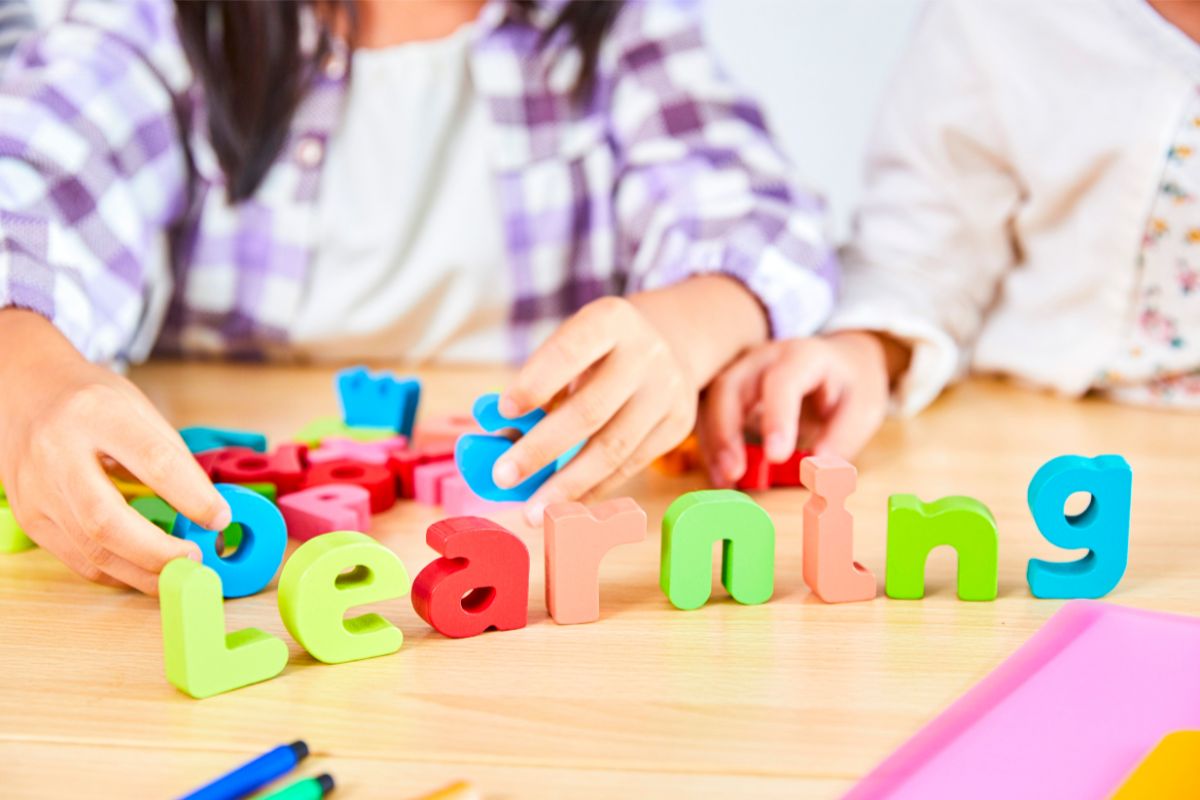
Every child learns in their own unique way. While one child might absorb information through hands-on experiences, another may prefer reading or listening. Recognising and nurturing your child’s individual learning style can make a huge difference in how they engage with their education, build confidence, and reach their full potential.
Why Learning Styles Matter
This independent school in Twickenham suggests that understanding your child’s learning style helps you tailor their learning environment to suit their natural strengths. When a child learns in a way that feels right for them, they are more likely to stay focused, retain information, and enjoy the learning process. On the other hand, using a method that doesn’t align with their preferred style can lead to frustration or a lack of confidence.
Learning styles also help parents and teachers identify how best to support a child both at home and in school. Whether it’s choosing the right study techniques, using different resources, or finding new ways to explain complex ideas, knowing how your child learns can transform their educational experience.
The Main Types of Learning Styles
Although every child is unique, most fit into one or more of these broad learning categories:
1. Visual learners – These children understand and remember things best through seeing. They tend to enjoy pictures, charts, diagrams, and colour-coded notes. They might benefit from mind maps, illustrated books, or videos that bring ideas to life.
2. Auditory learners – These learners absorb information through listening. They may enjoy discussions, podcasts, or songs to help remember facts. Reading aloud or talking through concepts can be particularly helpful for them.
3. Kinaesthetic learners – Often described as “hands-on” learners, these children learn by doing. They thrive through movement, touch, and physical exploration. Practical experiments, role play, or using objects to demonstrate ideas can make learning more meaningful for them.
4. Reading/Writing learners – These children learn best through words, whether reading textbooks or writing notes. They often enjoy journalling, lists, and research-based tasks where they can process information through written language.
How to Identify Your Child’s Learning Style
Pay attention to how your child naturally interacts with the world around them. Do they prefer drawing pictures, talking about what they’ve learnt, or getting involved in activities? Observe how they respond to different types of learning experiences.
You can also ask teachers for their insight – they often notice patterns in how children process information in the classroom. There are also simple online quizzes and assessments that can give you an indication of your child’s dominant learning style.
Supporting Their Learning at Home
Once you understand your child’s learning style, you can use it to make learning more enjoyable and effective:
- Visual learners: Use flashcards, visual schedules, and colourful notes.
- Auditory learners: Encourage them to explain what they’ve learnt aloud or listen to educational recordings.
- Kinaesthetic learners: Turn lessons into games or hands-on projects.
- Reading/Writing learners: Provide plenty of opportunities for reading, note-taking, and journalling.
Embracing Every Style
It’s important to remember that most children don’t fit neatly into one category – many use a mix of learning styles depending on the subject or situation. Encouraging your child to explore different ways of learning helps them become more adaptable and confident.
By understanding your child’s learning style, you’re not only helping them learn better but also showing them that their individuality is valued. With the right approach, every child can find joy and success in their learning journey.
*This is a collaborative post

Related Posts

Exploring STEM Subjects with Your Child at Home

What is the Purpose of Pastoral Care in Schools?
